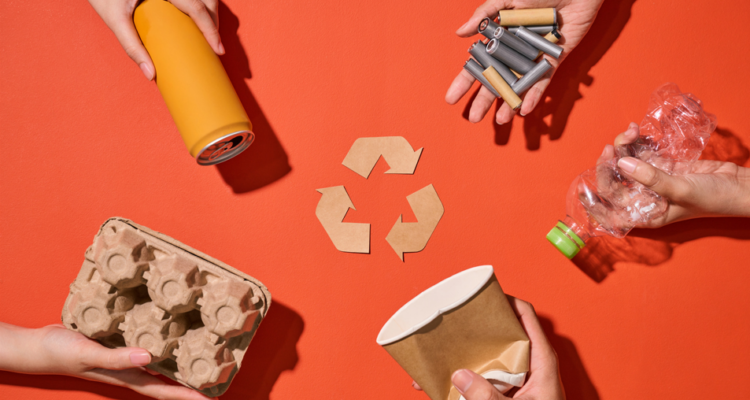
We all want to recycle more, but sometimes the rules can be confusing. Does the item have to be completely clean? What about bathroom items like toothpaste tubes? From coffee cups to crisp packets, here are 15 everyday items you’re probably unsure about and what you should do with them.
1. Coffee cups — NOT USUALLY ♻️
Unfortunately, most disposable coffee cups have a thin plastic lining, which means they can’t go in household recycling bins. A lot of coffee shops have dedicated takeaway cup recycling points instead.
💡 Did you know? A reusable cup doesn’t just reduce waste – it can save you money too. Pret A Manger offers 50p off when you bring your own reusable cup. Starbucks and Greggs both offer 25p off, while Costa Club members can receive an extra loyalty bean towards a free drink.
2. Crisp packets — NO
Crisp packets are made from different layers of plastic, meaning they should go in your general waste. However, if you save them up, you can take your empty packets to over 3,500 local supermarkets in the UK! Find a recycling point near you using this handy locator.

3. Pizza boxes — YES, IF CLEAN 🍕
Clean, dry cardboard pizza boxes can usually go in your paper and cardboard recycling.
💡 Did you know? If you’re unsure, you can try the “scrunch test”. If the paper stays scrunched rather than springing back, you can probably recycle it.
4. Aluminium foil — YES ♻️
Clean aluminium foil can often be recycled. Scrunch it into a ball before putting it in your recycling – but if it’s covered in food or grease, it has to go in the normal bin.
5. Plastic bags — NOT IN YOUR HOUSEHOLD RECYCLING
Plastic carrier bags and plastic wrapping generally shouldn’t go in your household recycling bin. Retailers like Tesco, Sainsbury’s, Co-op, Morrisons and Aldi should all have plastic and carrier bag recycling bins. They will usually be placed near the entrance or exit doors.
6. Glass jars and bottles — YES 🫙
Glass jars and bottles can generally be recycled with other glass containers. Here’s a quick cheat sheet:
- No perfect cleaning needed: A quick swish with leftover dishwater or a brief rinse to remove major food chunks or liquid is enough.
- Leave labels on: Paper labels don’t need to be peeled off. Facilities wash and crush the glass at high temperatures, which easily burns off or separates paper labels and glue.
- Best practice for lids: When in doubt, separate the lid from the jar or follow your local council’s specific guidance.
7. Wrapping paper — IT DEPENDS 🎁
Some wrapping paper can be recycled, but glitter, foil, plastic coatings and laminated finishes can make it unsuitable.
💡 Did you know? If you’re unsure, you can try the “scrunch test”. If the paper stays scrunched rather than springing back, you can probably recycle it.
8. Toothpaste tubes — YES, BUT ONLY IN CERTAIN AREAS
Toothpaste is an interesting one! Ever since September 2025, thanks to petitions and a new design, brands including Colgate, Sensodyne, Corsodyl and Aquafresh now use polyethylene to make their packaging.[1] This is the same plastic used for milk bottles and can be recycled into things like garden furniture. Some local authorities collect these with normal recycling, or you can drop them off at your local Boots stores.
P.S. Boots will also accept any brand of old makeup containers and give you loyalty points for recycling them there!
9. Aerosol cans — YES
Empty aerosol cans, like deodorant and hairspray cans, can generally be recycled with metal packaging. Just make sure you don’t pierce, crush or damage the can when you put it in the recycling, as this can be dangerous.
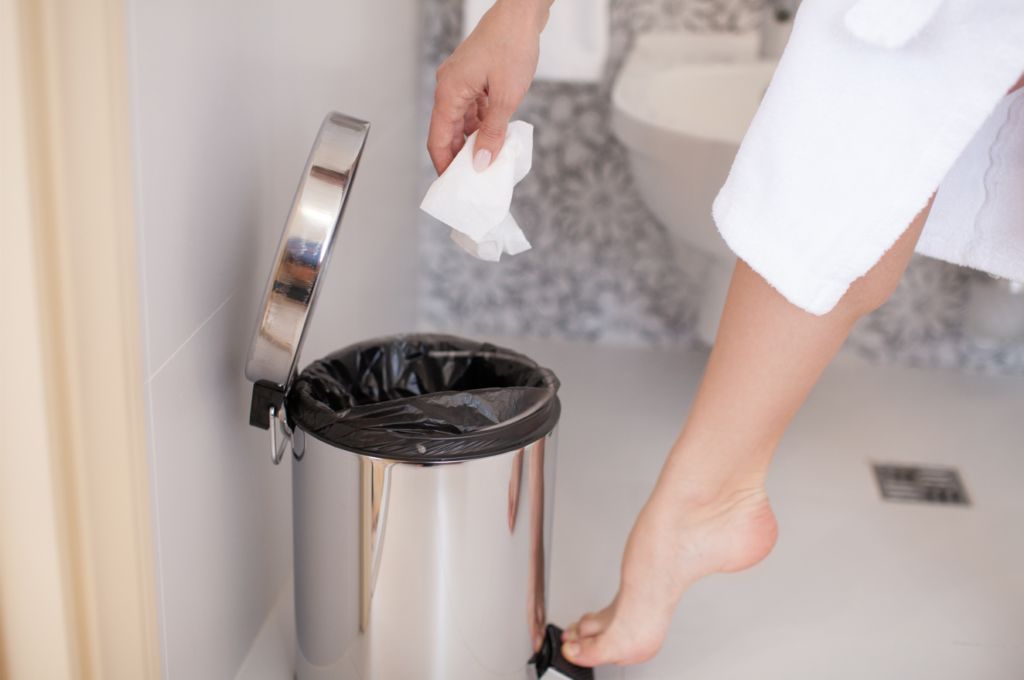
10. Used Tissues, Kitchen Roll or Toilet Paper — NO 🤧
Used tissue of any kind shouldn’t go in your recycling for a few reasons:
Short fibres: These products are usually already made from recycled paper, meaning they contain fibres too short and weak to make new paper.
Soiling: Used tissues usually contain bodily fluids, food, grease or chemicals that contaminate recycled paper.
Health risks: You usually use a tissue product so you can throw away the dirt or germs on them. This means they are health hazards for recycling workers.
Always put them in your general waste bin.
11. Receipts — NO
Nearly all printed receipts can’t be recycled because they are printed using thermal paper, not ink. This paper contains chemical coatings such as BPA or BPS that ruin the process of recycling paper.
Try to get into the habit of saying you don’t need a receipt if it’s for goods you definitely won’t need to return, or take the email receipt option if there is one.
💡 Did you know? You can test this by scratching the receipt – if it leaves a dark mark, it’s thermal paper. Put it in your general waste.
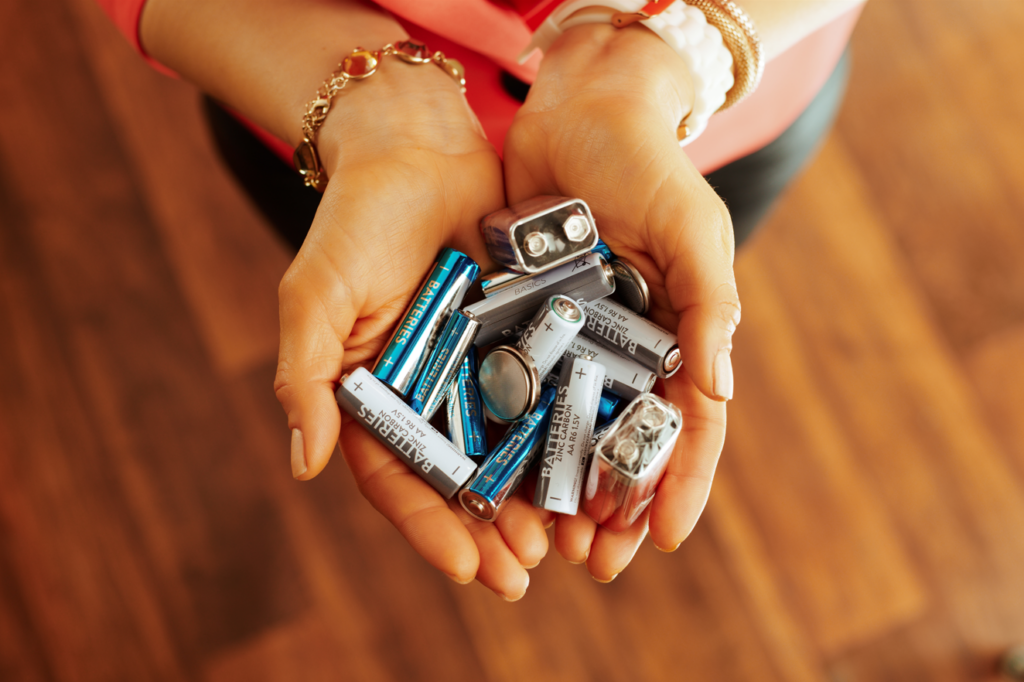
12. Batteries — NEVER IN YOUR HOUSEHOLD RUBBISH OR RECYCLING 🔋
Never put batteries in your household bin. Here’s why:
- They can spark when crushed at a recycling or waste centre, causing dangerous fires.
- Batteries contain heavy metals like lead, cadmium and nickel that can leak into soil and groundwater if sent to a landfill.
- They also contain valuable elements like lithium and cobalt, which are wasted instead of being recovered.
You can recycle household batteries at points in supermarkets or your local recycling centre. For larger batteries like car batteries, head to your local Halfords or Kwik Fit.
13. Clothes, shoes and textiles — NOT IN YOUR RECYCLING BIN 👕
Old clothes, shoes and textiles like bedding or rags shouldn’t go in your household recycling bin. You can donate wearable or usable items to a charity shop.
If it’s not salvageable, head to a textile recycling bank either at your local dump or in the large bins you see in supermarket car parks. It can be stained or ripped, just make sure everything you donate is clean and dry.
14. Plastic plant pots — IT DEPENDS ON THE COLOUR 🌱
Non-black plastic plant pots can go in household recycling – just give them a quick clean. Black pots contain pigments that the optical sorting machines can’t detect, so they need to go into general waste.
💡 Did you know? Some garden centres and DIY outlets offer recycling schemes for black pots. B&Q launched theirs back in 2004!
15. Electrical cables and chargers — NO
Never put them in your general waste or home recycling. These items can contain valuable materials like copper, aluminium and even gold.
Head to your local dump and they will have a dedicated area for small electrical items and cables. Thanks to the Retailer Take-back scheme, all shops selling electricals must let you return old and broken items for them to dispose of.
Like this blog? Now that you’re an expert in recycling do’s and don’ts, check out our “Make the Most of What You Have” Challenge: 31 Days of Low Waste Living!
Need an insurance quote? With Vavista, we plant a tree for every new policy – so you can make sure you’re covered and do a good deed for the earth.
REMEMBER: This article is meant as a general guide. Always check your local council’s recycling rules.
[1] https://www.wrap.ngo/media-centre/press-releases/no-more-landfillings-all-toothpaste-tubes-now-recyclable-recycle-week