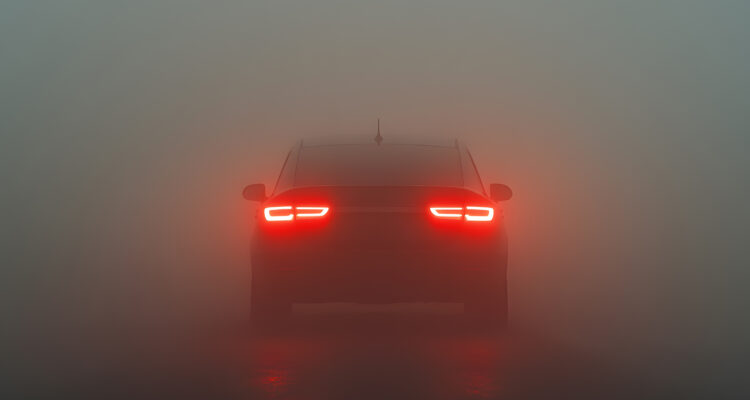
Fog lights are designed to help you, but used incorrectly, they can quickly turn into a hazard for everyone else on the road. As UK drivers head into another season of unpredictable weather, fog light misuse remains one of the most common (and costly) winter driving mistakes. Despite how simple the rule seems, thousands of motorists still get it wrong every year, often unintentionally.
In this blog, we break down when fog lights should be used, why leaving them on becomes dangerous, and how a helpful feature can turn into a harmful and expensive habit.
Why Fog Lights Exist
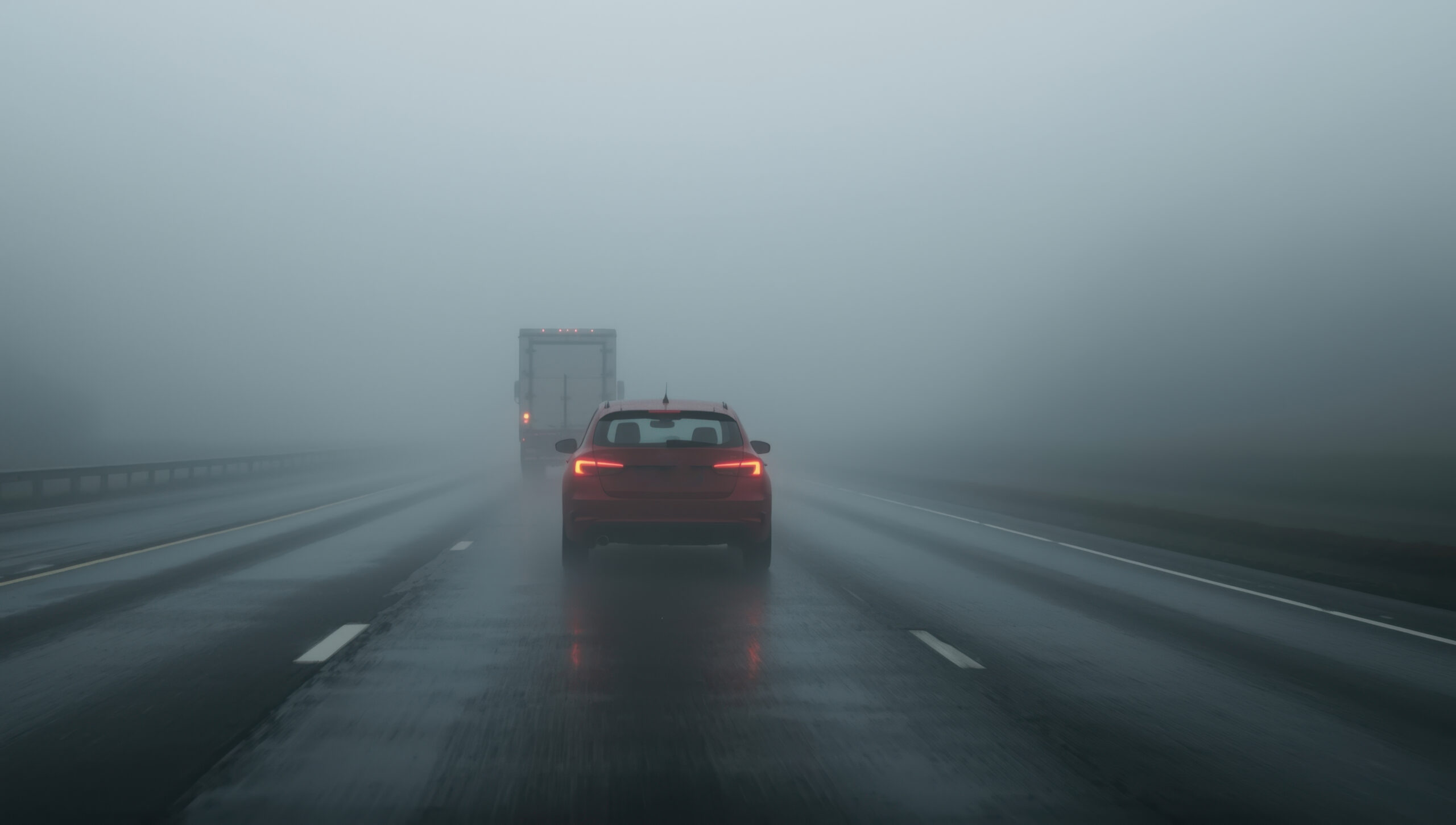
Fog lights sit low on your vehicle and cast a wide, flat beam designed to cut through thick fog, snow, or heavy mist. Unlike standard headlights, they reduce the glare that bounces back off fog, giving you a clearer view of the road immediately ahead.
But because they are brighter and more direct, they can easily dazzle other road users when conditions aren’t severe.
According to the updated UK Highway Code (Rule 236) [1], you must not use front or rear fog lights unless visibility is seriously reduced, typically defined as less than 100 metres. [2]
When Helpful Becomes Harmful
Using fog lights when visibility is not heavily reduced can:
- Dazzle or distract other drivers, especially at night or in clear conditions.
- Obscure your brake lights, making it harder for drivers behind to judge your movements and react safely.
- Create additional glare, increasing the risk of collisions in wet or reflective road surfaces.
These risks are not just theoretical – nearly 6,000 collisions in a recent year were linked to drivers’ vision being affected by external factors such as dazzling lights. [3]
What the Law Says
Under the Highway Code, the rules around fog light use are clear: only switch them on when visibility drops below roughly 100 metres and turn them off as soon as conditions improve. [1]
Failing to follow these rules can lead to a £50 fixed‑penalty fine, a common on‑the‑spot charge issued to drivers who continue using fog lights when they’re no longer needed.
Although £50 isn’t the steepest motoring fine out there, it’s an entirely avoidable one. Simply remembering to switch off your fog lights once visibility returns can prevent both glare for other drivers and an unnecessary penalty.
Why Do So Many Drivers Get It Wrong?
Even seasoned drivers occasionally misuse their fog lights. Common reasons include:
- Forgetting They’re On
Fog lights are often manual switches, and newer vehicles may not automatically turn them off when the weather clears. Many drivers simply forget they activated them during a foggy patch earlier in the journey.
- Misunderstanding “Poor Visibility”
A surprising 20% of drivers are unfamiliar with the exact rules around fog light use. Some believe heavy rain justifies their use, but unless visibility drops below 100 metres, fog lights shouldn’t be on. [2]
- “Being Helpful” in Bad Weather
Some drivers assume that stronger lights are always safer. In reality, fog lights are too bright for anything other than thick fog and can do more harm than good.
Practical Tips to Stay Safe (and Fine‑Free)
✔ Know the 100‑Metre Rule
If you can see roughly the length of a football pitch ahead of you, fog lights should not be on.
✔ Check Your Dashboard
Fog lights always illuminate a symbol on your display – get into the habit of glancing down as conditions improve.
✔ Use Auto Settings Wisely
Don’t assume your car’s automated systems will deactivate fog lights. Many won’t.
✔ Be Considerate of Other Road Users
If the road ahead is clear but the car behind you is catching a face full of bright red fog light glare, switch them off.
Fog lights are a brilliant tool when used correctly. But when left on in clear conditions, they can cause discomfort, confusion, and even contribute to accidents. And with a £50 fine attached, there’s a financial sting too.
By understanding when these lights help and when they harm, every driver can contribute to safer winter roads.
Enjoyed this read? You might also like Vavista’s quick Guide to Safer Winter Driving.
Get a car insurance quote from Vavista today!
[1] The Highway Code – Driving in adverse weather conditions (226 to 237) – Guidance – GOV.UK
[2] Motorists risk £50 fine for breaking ‘little-known’ Highway Code rule this autumn
[3] Winter drivers advised to watch out for common mistake | The Independent
Disclaimer: Articles are for general information only – customers should always seek their own independent advice. Vavista is not affiliated with the organisations/businesses mentioned and does not recommend or endorse any of the included products or services. For more information, click here.