Christmas is a time of plenty, but in the new year the waste created can feel overwhelming.
Here are some Christmas waste facts for the UK:
- Christmas generates an additional 3 million tonnes of waste each year [1].
- Household rubbish increases by around 30% compared to the rest of the year.
- We use roughly 227,000 miles of wrapping paper, enough to cover Guernsey! We also send 114,000 tonnes of plastic packaging to landfill. [2]
- Each person’s carbon footprint on Christmas Day jumps to nearly 23 times more than a normal day. [3]
So, if you’re want to live more sustainably in the new year, read on! Here’s How to Reduce Waste After Christmas: 5 Eco-Friendly Tips.
-
How to Reduce Food Waste After Christmas

Festive buffets and overcooking can result in leftovers and forgotten ingredients. You can tackle this by:
- Meal Planning With What You Already Have: soups, curries, and freezer-friendly dishes are great ways to save veg and leftover meat. If you need help, there are apps and websites that are free to use. Enter what you have and get suggestions of recipes you can make. Try SuperCook, MyFridgeFood or NoWaste.
- Composting Your Food Scraps: instead of sending them to landfill is a simply way to reduce waste. It’s easier than you think, check out our guide on How to Compost Food Waste at Home, for simple steps to get started.
- Making Smarter Shopping Lists: to avoid overbuying. Take five minutes to check your cupboards and fridge and look for: items close to expiring, half-used ingredients and duplicates (like three open bags of rice). Plan your meals around these ingredients, not the other way round. Pick 2–4 meals that use the same ingredients you already have. Accept that meals don’t have to be “perfect”, they just need to use things up. Write down only what’s missing and be specific, i.e “2 onions” instead of “onions”.
2. Declutter with Purpose
January is a time to clear out the clutter for most people. But you can make it more eco-friendly this year. Instead of throwing things away:
- Donate to charities or community groups: You can take your items directly to nearby charity shops. They accept clothes, books, toys, and small household items. If you have lots of items or bulky goods, iCollectClothes will collect clothes and accessories from your doorstep, just book a slot. Some charities like the British Heart Foundation also arrange free local pick-ups for furniture, fridges beds and books. Check their website to book a slot.
- Repurpose or Upcycle: Turning clutter into something useful can be fun and sustainable. Need inspiration? Check out our blog on eco-friendly upcycling ideas for creative ideas to give your unwanted items a second life.
- Use Online Marketplaces: to sell or give away items. Facebook Marketplace, local community groups or Freecycle make it easy. You might also make a bit of cash for your more valuable items and get them taken away by the buyer. Note: Always be wary of scams and be safe when selling online.
3. How to Cut Plastic Waste After Christmas in the UK
The UK generates over 100,000 tonnes of plastic packaging during the festive season, much of which ends up in landfill. [4] Simple swaps make a big difference:
- Switch to Reusable Wrapping: Pretty scrap fabric and ribbon or reusable bags can save so much waste. Check out these eco-friendly wrapping ideas.
- Buy Loose Fruit and Veg: So much fresh produce comes in plastic. Buy loose at the supermarket with a reusable bag, or at a local market to cut out plastic waste.
- Carry a Reusable Water Bottle and Shopping Bag: If you manage to do this on every outing, you’ll chip away at your plastic use significantly.
4. Embrace Minimalism
Start the year by simplifying your life and reducing waste:
- Pause Before You Buy: ask: Do I really need this, or will it end up as clutter? Give yourself 48 hours and if you still want the item, you can be more sure it isn’t an impulse buy.
- Prioritise Experiences Over Things: Memories last longer than things. If you skip buying something material, you could save to do an activity or class.
- Explore Your Old Wardrobe: Nothing to wear? If you look at your clothes all laid out, you’ll realise you probably do! Build a wardrobe of 30–50 versatile, high-quality pieces. Not only does it save money, with a lower cost-per-wear, but it also shrinks your fashion footprint. [5]
5. Make Your Home More Sustainable
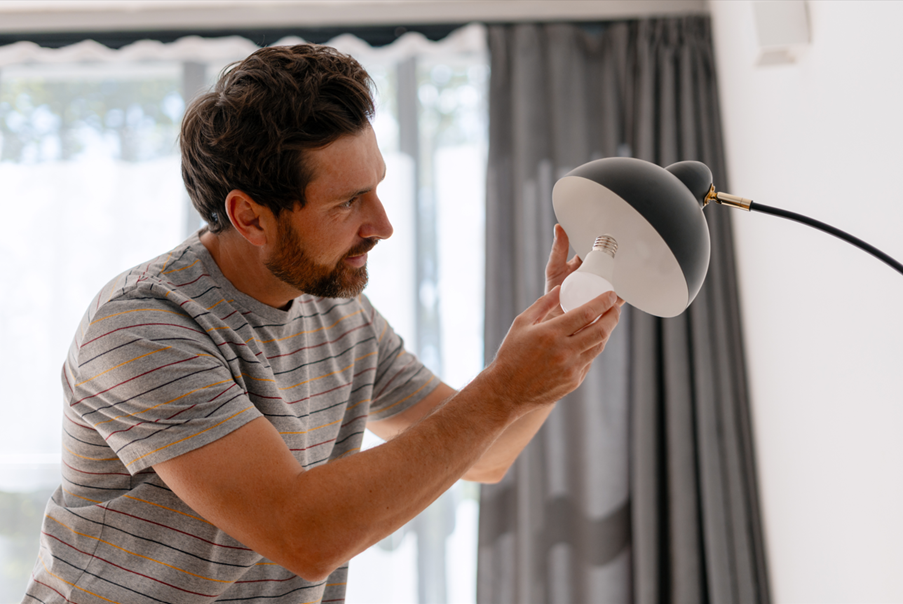
Is your home as eco-friendly as it could be? The new year is good time to cut back on energy waste and lower your bills:
- Switch Electronics off at the Plug: You can save around £45 a year just by remembering to turn your appliances off standby mode. [6]
- Draught Proof your Windows and Doors: Getting professional draught proofing can save you around £85 a year. [6] If you want to DIY it, this is fairly easy too. Check out our blog on heating hacks to find out how.
- Switch to LED Bulbs: By replacing any traditional light bulbs with LED versions, you could save up to £45 a year and lower your CO2 emissions by 35kg. [7]
For more practical tips, visit the Energy Saving Trust.
Living sustainably doesn’t stop at what you buy, it extends to the brands you choose. At Vavista, we plant a tree for every new customer, helping reduce carbon footprints beyond the festive season.
Get a quote from Vavista today.
[1] Christmas Waste Facts – It’s Not Very Jolly
[2] The UK’s festive waste problem: 3 million tonnes and counting | Dream of Home
[3] Christmas leads to average Briton’s greenhouse gas emissions soaring by 23 times | The Independent
[4] From glittering tinsels to toxic trash – the hidden cost of UK Christmas plastics – EIA
[5] How to Build a Capsule Wardrobe on a Budget UK (2025 Guide)
[6] https://energysavingtrust.org.uk/hub/quick-tips-to-save-energy/
[7] https://energysavingtrust.org.uk/advice/lighting/
Disclaimer: Articles are for general information only – customers should always seek their own independent advice. Vavista is not affiliated with the organisations/businesses mentioned and does not recommend or endorse any of the included products or services. For more information, click here.