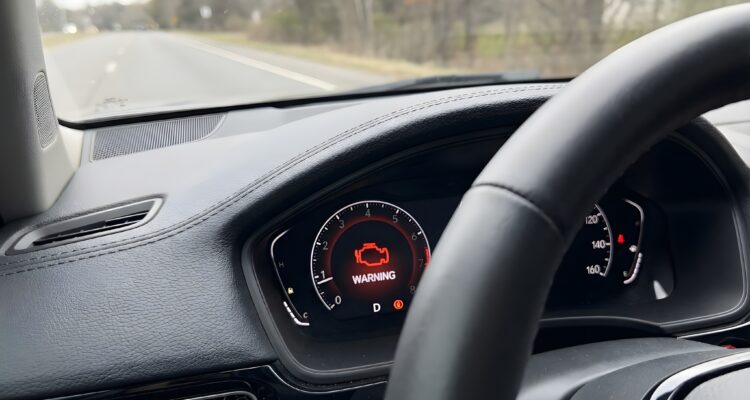
Ever wondered what that mysterious warning symbol on your car’s dashboard means?
From the engine warning light to tyre pressure and ABS, modern cars can display a wide range of warning lights.
The exact symbols and meanings vary between makes and models, so always check your vehicle handbook for specific guidance.
Dashboard warning lights: a quick guide
As a general rule:
| Colour | What it can mean | What to do |
| 🔴 Red | Potentially serious warning or safety issue | Stop safely where appropriate and check your handbook. |
| 🟠 Amber/Yellow | A system may need attention | Check your handbook and arrange an inspection if it remains on. |
| 🟢 Green | A system or feature is operating | Usually informational. |
| 🔵 Blue | A system or feature is operating | Usually informational. |
Some lights briefly appear when you start the car as part of a normal system check. If a warning light stays on or appears while driving, don’t ignore it.
10 common dashboard warning lights
- Engine warning light
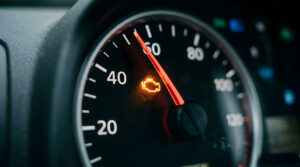
The engine or check-engine light can indicate a fault with the engine, emissions or management system.
What to do: Check your handbook and consider arranging an inspection if it remains illuminated. If the light is flashing, particularly alongside rough running or loss of power, seek professional advice promptly.
- Oil pressure warning light
Usually shown as an oil can, this can indicate low engine oil pressure or a lubrication problem.
What to do: Stop safely and switch off the engine as soon as possible. Follow your manufacturer’s guidance and seek professional advice before continuing.
- Battery warning light
This can indicate a problem with the vehicle’s charging system, such as the alternator, electrical connections or battery.
What to do: Have the vehicle checked as soon as it is safe to do so, particularly if you notice other electrical problems.
- Brake warning light
A red circle with an exclamation mark may indicate that the handbrake is engaged or that there is a problem with the braking system.
What to do: Check the handbrake first. If the light remains on, seek professional advice. If braking feels different or stopping distances increase, don’t continue driving until the vehicle has been checked.
- Tyre pressure warning light
Usually shown as a tyre with an exclamation mark, this can indicate low tyre pressure, a puncture or tyre damage.
What to do: Check your tyre pressures when safe and adjust them to the manufacturer’s recommended levels. Don’t drive on a damaged or rapidly deflating tyre.
- ABS warning light
The ABS symbol usually contains the letters “ABS” inside a circle. A persistent light can indicate a fault with the anti-lock braking system.
What to do: Arrange an inspection with a qualified garage. If the ABS light appears with the brake warning light or changes in braking performance, seek professional advice before continuing.
- Airbag warning light
This can indicate a problem with the airbag or another part of the vehicle’s restraint system.
What to do: Arrange a professional inspection and don’t attempt to repair the system yourself.
- Engine temperature warning light
Usually shown as a thermometer above waves, this can indicate overheating or a cooling-system problem.
What to do: Stop safely and follow your manufacturer’s instructions. Switch off the engine if necessary and never open a hot coolant reservoir, as hot coolant and steam can cause serious burns.
- Power steering warning light
A steering wheel with an exclamation mark can indicate a problem with the power steering system, particularly if the steering feels heavier than usual.
What to do: Stop somewhere safe and seek professional advice before continuing if steering feels different.
- Electronic stability control warning light
The ESC, ESP or traction-control symbol may flash when the system is actively helping maintain grip. If it stays illuminated, the system may have been switched off or there could be a fault.
What to do: Check your handbook for the specific meaning and arrange an inspection if the light remains on unexpectedly.

What should you do if a warning light comes on?
If you’re driving and a warning light appears:
- Note the symbol and its colour.
- Check your vehicle handbook.
- Look for other symptoms, such as unusual noises, smells, loss of power or changes in braking or steering.
- Follow the manufacturer’s recommended action.
- If you’re unsure or the vehicle doesn’t feel safe, seek professional advice.
When should you stop driving?
Stop somewhere safe and seek professional advice if you see an oil pressure or engine temperature warning, a brake warning alongside changes in braking, a power steering warning with unusual steering, or a warning accompanied by significant loss of power or another serious change in vehicle performance.
If you don’t believe the vehicle is safe to drive, don’t take the risk.
Don’t ignore your dashboard warning lights
A warning light doesn’t always mean there is a serious fault, but it shouldn’t be ignored if it stays illuminated or appears alongside unusual symptoms.
Always check your vehicle handbook for the meaning of a warning light and the recommended action for your make and model. If you’re concerned, have the vehicle checked by a qualified automotive professional.
Like this blog? Check out our guide on How to Change a Flat Tyre!