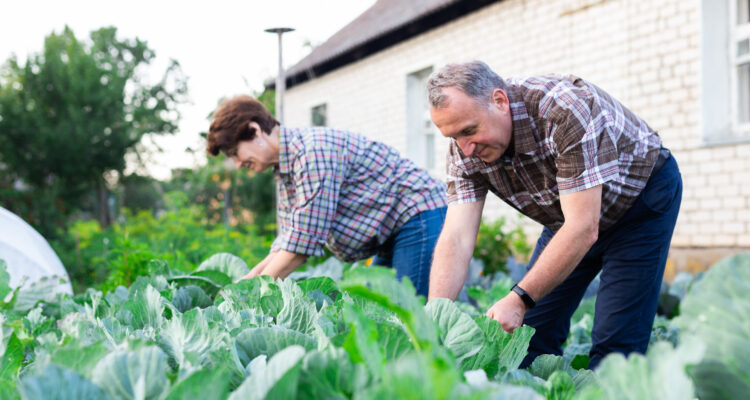
Winter doesn’t have to mean shutting the door on gardening. In fact, the colder months are a great chance to start small and build your confidence.
Whether you’re growing herbs on a windowsill or planting bulbs and preparing for spring, Winter gardening can be fulfilling and simple. So here is our Beginner’s Winter Gardening Guide: Grow More, Stress Less and Help the Planet.
Gardening is hugely popular across Britain. Over 41 million people in the UK say they engage with gardening in some form. That makes it one of the nation’s most widespread nature‑based activities! [1].
How Winter Gardening Can Support Your Mental Health
The wellbeing benefits of gardening in the UK are especially compelling. 77% of UK gardeners say gardening improves their mental health, according to the RHS State of Gardening Report 2025.
- Lower Stress and Anxiety
Just 20 minutes of gardening can lift mood and reduce anxiety, according to RHS research. A 2025 YouGov survey found 72% of Britons describe gardening as ‘relaxing and therapeutic’ [2].
- Increased Happiness and Life Satisfaction
Green social prescribing is an NHS approach, where people are connected with nature‑based activities. Community gardening, allotment maintenance or conservation groups are used to support patients mental and physical health. 73% of people say it helps them feel ‘calmer’ [2].
UK evaluations, including research led by the University of York, the biggest improvements were seen in people who took part consistently for three to four months, which is why winter is such a great time to begin
- A Sense of Purpose and Routine
83% of UK respondents in a 2025 survey said gardening gives them a sense of accomplishment.
This gentle routine can be grounding at a time of year when many struggle with low mood [2].
Whether it’s a hobby or for sustenance, gardening can be a wellbeing powerhouse.
When Winter can often effect your mood, motivation, and energy levels, starting a small indoor garden can offer a real boost.
Start Small: How to Grow an Indoor Herb Garden This Winter
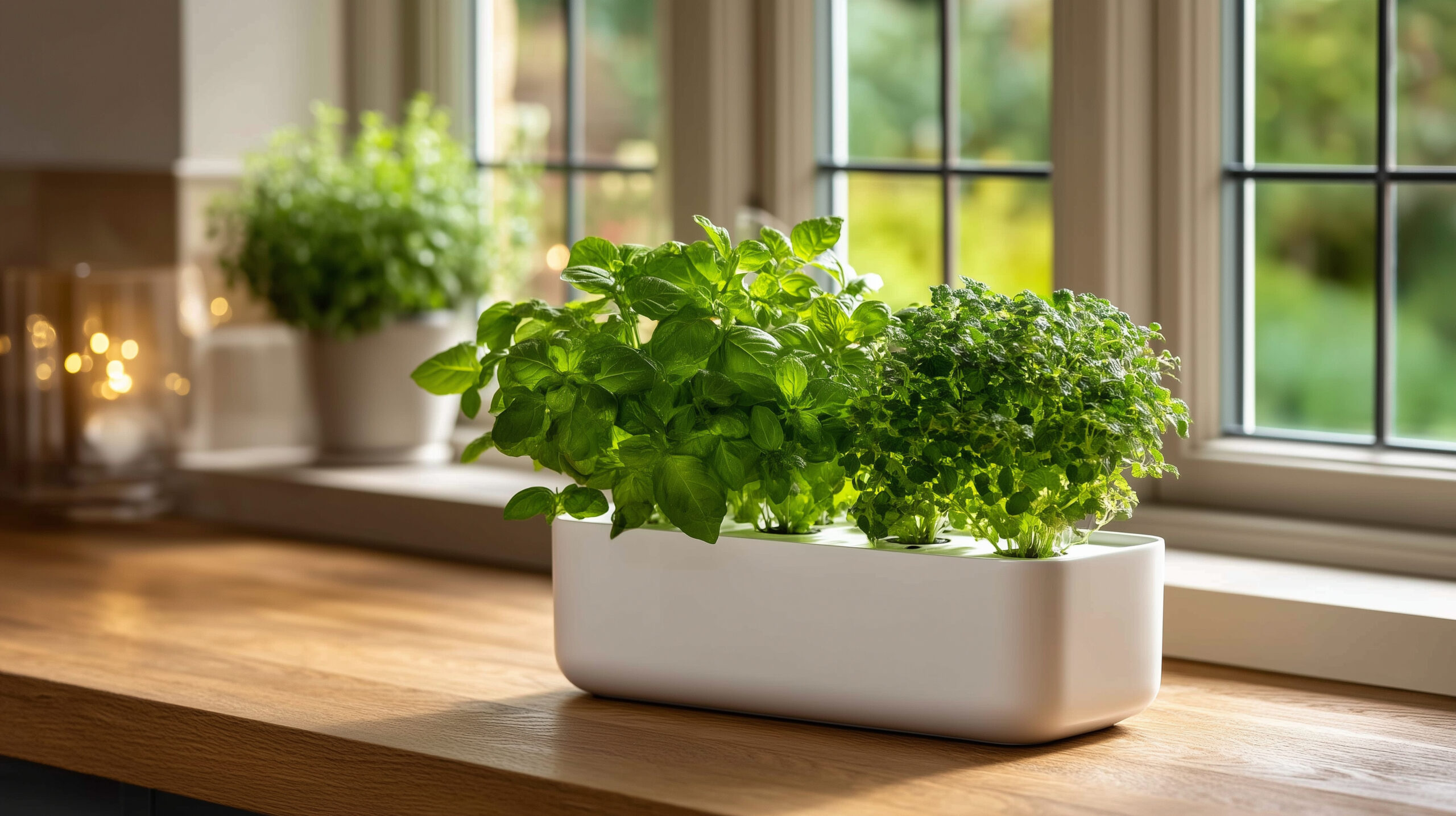
Indoor herbs thrive in Winter because they like stable indoor temperatures and don’t require much space.
What are the Best Herbs for UK Homes?
Beginner-friendly herbs that thrive indoors include:
- Basil (needs warmth and light)
- Mint (very forgiving)
- Parsley
- Chives
- Coriander (prefers cool conditions)
- Thyme (low-light tolerant)
How Much Light and Warmth Do Indoor Herbs Need?
Most herbs need 6–8 hours of light. A South or West facing windowsill works best. Grow lights can help on darker days. Indoor herbs generally prefer 15–20°C. Keep the temperature consistent and cosy but not blasted by radiator heat.
How Much Should I Water Indoor Herbs?
- Add water only when the top inch of soil feels dry. Overwatering can be the biggest risk to herbs.
- Make sure your pots have drainage holes.
- Snip herbs regularly to encourage bushier growth.
Preparing for Spring: Easy Winter Gardening Tasks
If you have an outdoor space or hope to start one, Winter is an ideal time to plan and prepare.
- Plan Your Spring Crops: Interest in “grow your own” veg continues to rise across the UK. Indoor vegetable gardening increased by over 200% in the last five years.
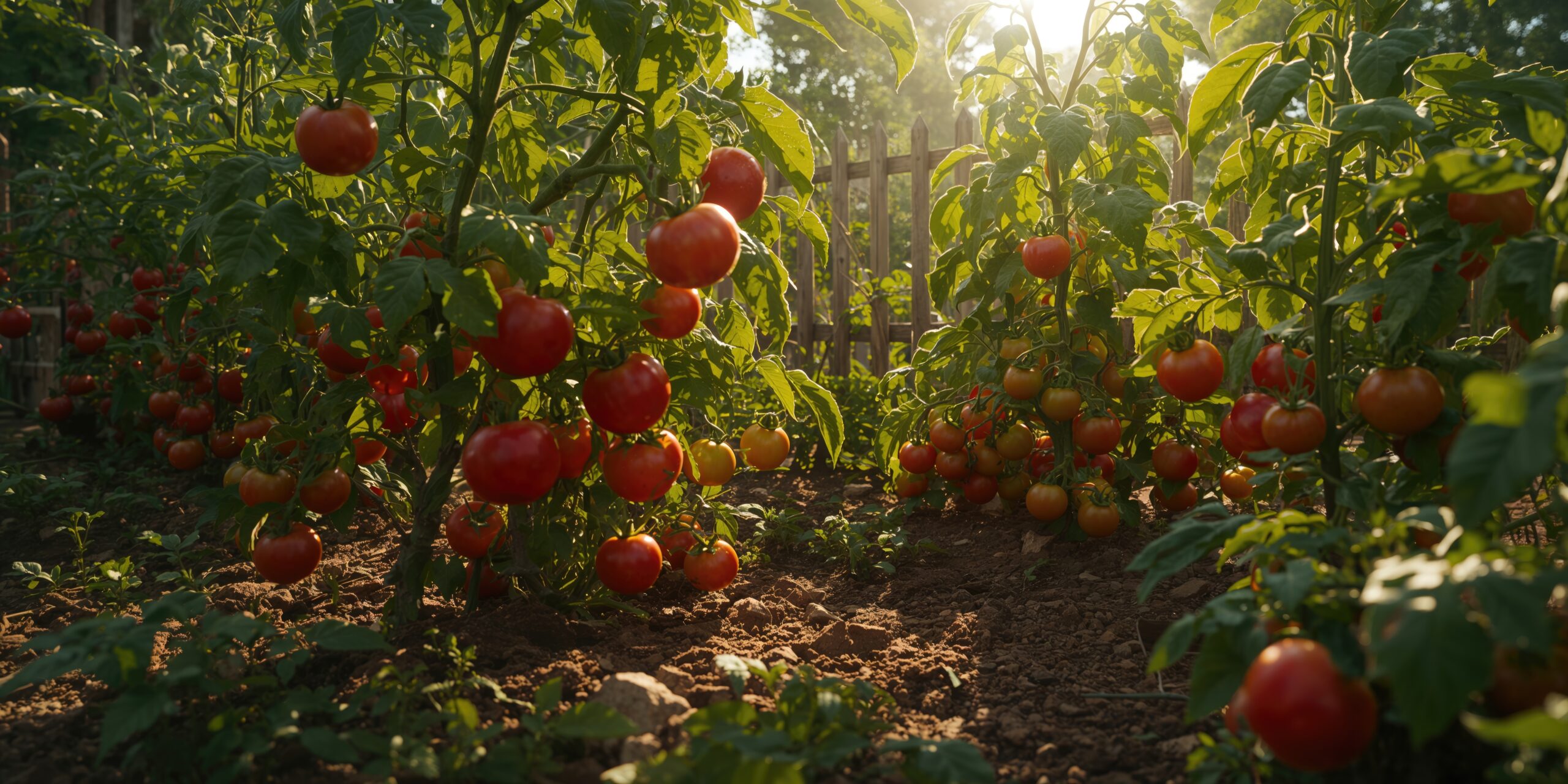
Use winter to sketch out what you’d like to grow: tomatoes, chillies, salad leaves, flowers, or more herbs. - Give seeds an early start: Late winter is a great time to sow the first of your spring crops indoors. Tomatoes, chillies, peppers and aubergines all appreciate a little extra time to get going. Use any small, recycled pots or yoghurt tubs you have to hand – just add drainage holes and a quick label, and you’re set.
- Give your outdoor beds a boost: If the soil isn’t frozen, winter is a great time to refresh your garden for the months ahead. Clear away any dead plants, work in a layer of nutrient‑rich compost, and gently break up the soil structure. These simple steps help your spring plants settle in faster once warmer weather returns.
Eco-Friendly Benefits of Winter Gardening
Growing herbs at home doesn’t just lift your spirits, it helps the planet too.
- Home-grown = Zero Food Miles
The average food item in the UK travels 1,500 miles before reaching our plates.
But food you grow yourself travels… zero miles [3].
- Lower Carbon Footprint
Even small actions, like growing herbs instead of buying imported, plastic-packaged bunches, reduce emissions [4].
- Reduced Packaging & Waste
Supermarket herbs often come in plastic sleeves and spoil quickly. Growing your own means:
- No plastic waste
- No wilted leftovers
- Fresher, more flavourful ingredients
- Support Local Biodiversity
Gardens, even tiny ones, could be biodiversity hotspots. UK gardens can support over 50 million trees, half of UK butterfly species, and 40% of bird and mammal species.
Even a small balcony pot helps contribute to greener urban areas [1].

Winter gardening is more than a seasonal hobby – it’s a wellbeing tool, a sustainability win, and a lovely way to reconnect with nature during the darkest months. Whether you start with a single pot of basil or plan your spring vegetable patch, these small steps have a big impact on your mental health and environmental footprint.
If that resonates with you, our blog on reducing your own environmental impact is a great next read.
Why not get a quick car insurance quote today? It only takes a moment, and it could be another positive step toward a healthier, more sustainable lifestyle with Vavista.