Sustainable living doesn’t have to be complicated; it starts with simple habits that help you use what you already have. A 2023 Government survey had the UK’s household recycling rate at just 44%. This means millions of reusable materials are still ending up in landfill[1].
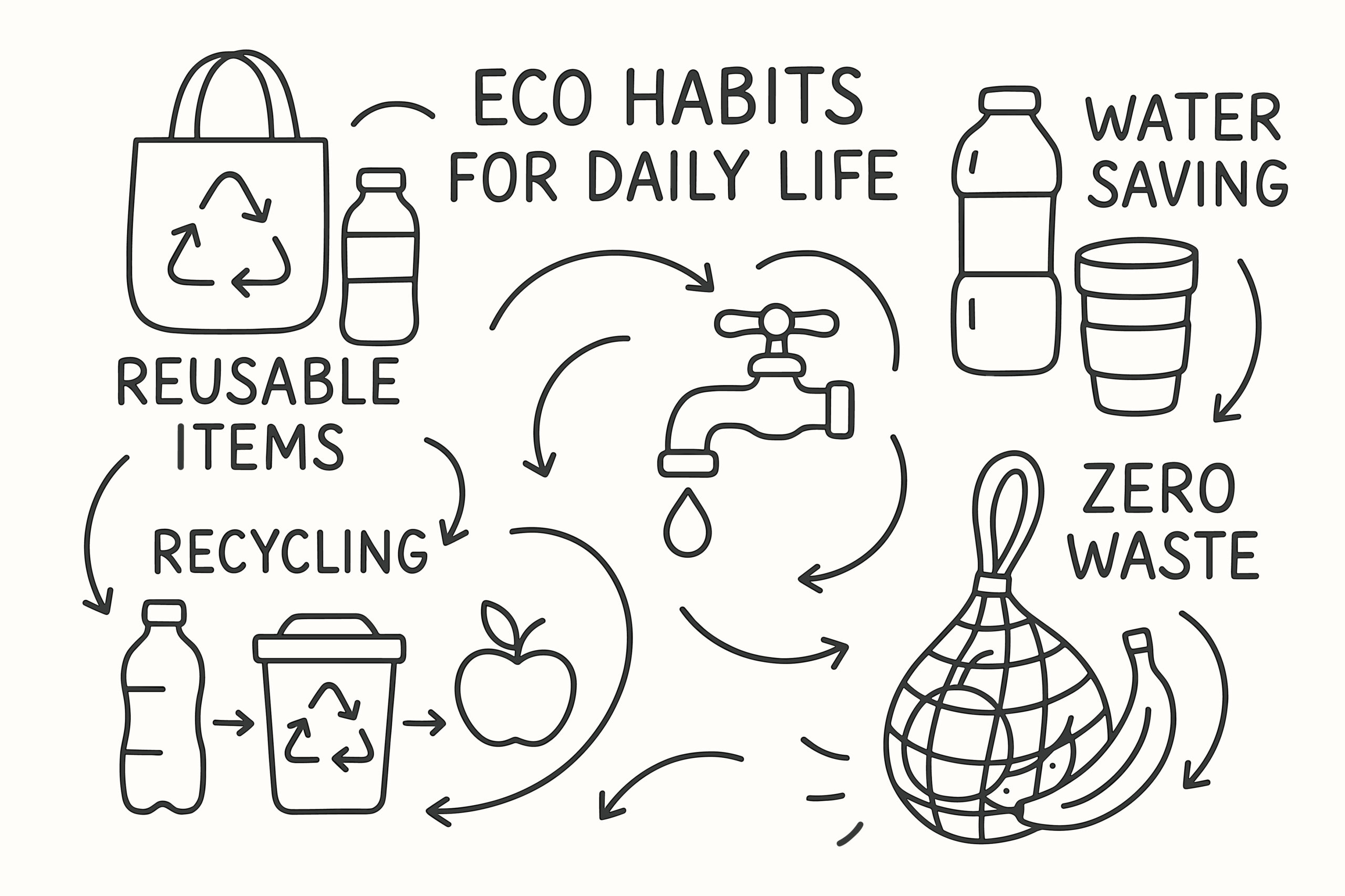
That’s why we’ve come up with this “Make the Most of What You Have” Challenge: 31 Days of Low Waste Living.
Dive in and try one each day, or pick your favourites. Small steps can make a big impact.
-
Repurpose Packaging
Shoeboxes make great organisers; take-out containers become easy lunch boxes.
-
Create a Leftovers Meal
Cut down on waste by planning meals around what’s already in your kitchen. The Feasy app lets you take stock of your fridge and cupboard items to make meals using what you’ve already got.
-
Rescue Wilting Veg
Turn tired veg into a soup, curry, or stir‑fry instead of binning it.
-
Go Kitchen Roll Free
Use reusable cloths or tea towels that you can throw in the wash instead.
-
Check Your Cupboards
Before you buy anything new, like Sellotape, gift bags or batteries, explore your junk drawers and cupboards for forgotten items.
-
Repurpose a Jar
Use a clean jar as a vase, food container, or pen holder.
-
Have a “No Spend” Day
Take a packed lunch and a home made coffee in a reusable cup to work. See if you can go a whole day without buying anything.
-
Swap With Friends
Books, clothes, plants – anything goes. Host a swapping party with your pals, take your unwanted items and get something that’s brand new to you!

-
Re-sole or polish shoes
Have a favourite pair of shoes or boots that seem worn out? Take them to a cobbler for a potentially cheaper way to save them rather than buying new.
-
Reorganise Your Fridge
A tidy fridge helps reduce food waste by making everything visible. It also makes it more efficient. About 2/3 to 3/4 full is usually the sweet spot.
-
Upcycle Clothing
Turn old t-shirts into cleaning cloths or crop tops; patch up your jeans and darn your socks instead of tossing them.
-
Eat All Your Produce Scraps
Broccoli stalks are great in a stir fry or stew. Citrus peels can be infused in white vinegar for cleaning. Make vegetable stock from scraps like onion skins and carrot ends.
-
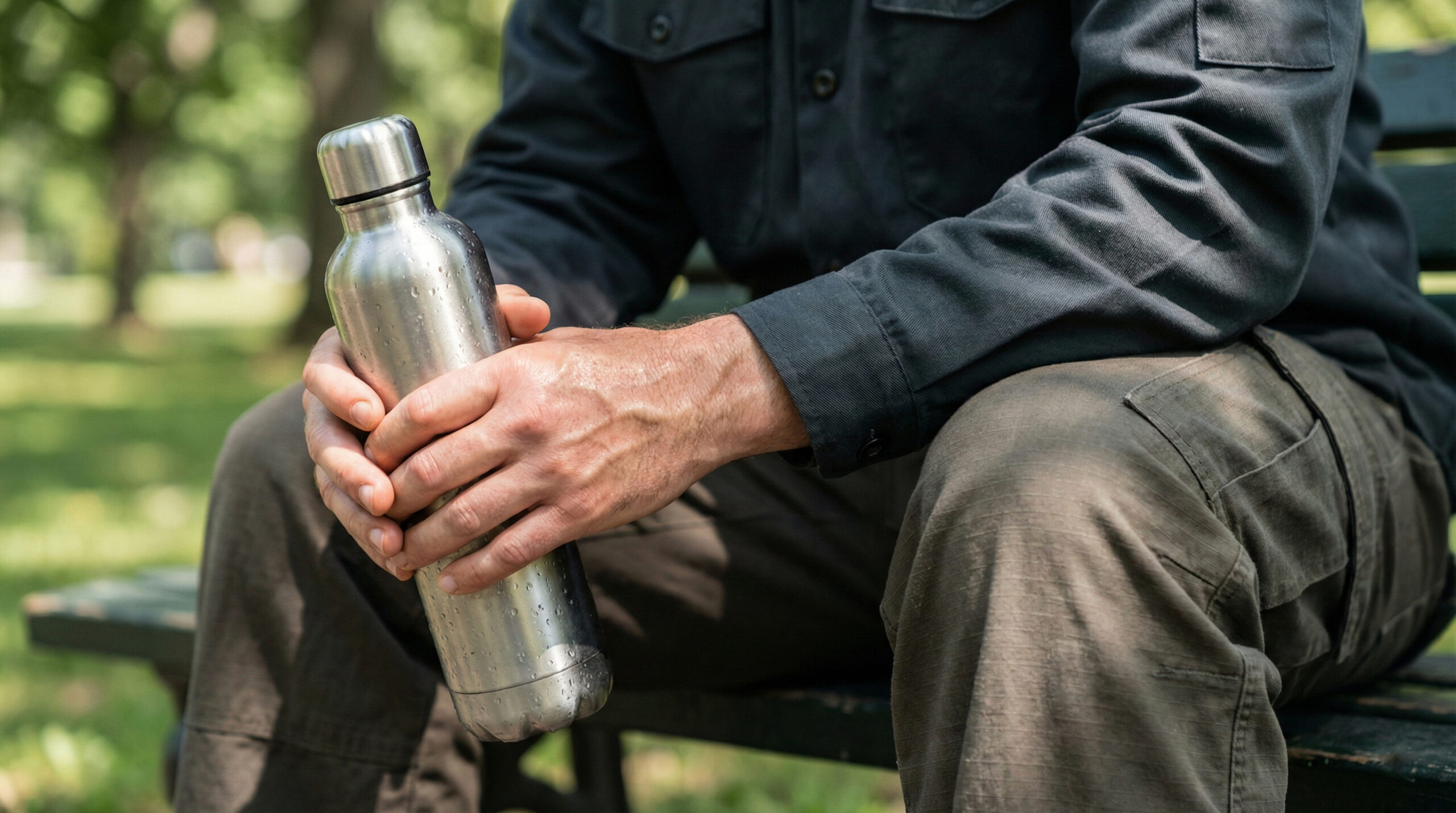
Use a Refillable Bottle
Skip single‑use drinks for the day. A thermos for hot drinks and a reusable water bottle can save you money and plastic waste.
-
Repair Something Broken
Sew a button, glue a handle, tighten the screws on a squeaky hinge. Most things can be repaired if you really want to.
-
Skip Plastic Bags
Bring your own tote or bag-for-life for every shop.
-
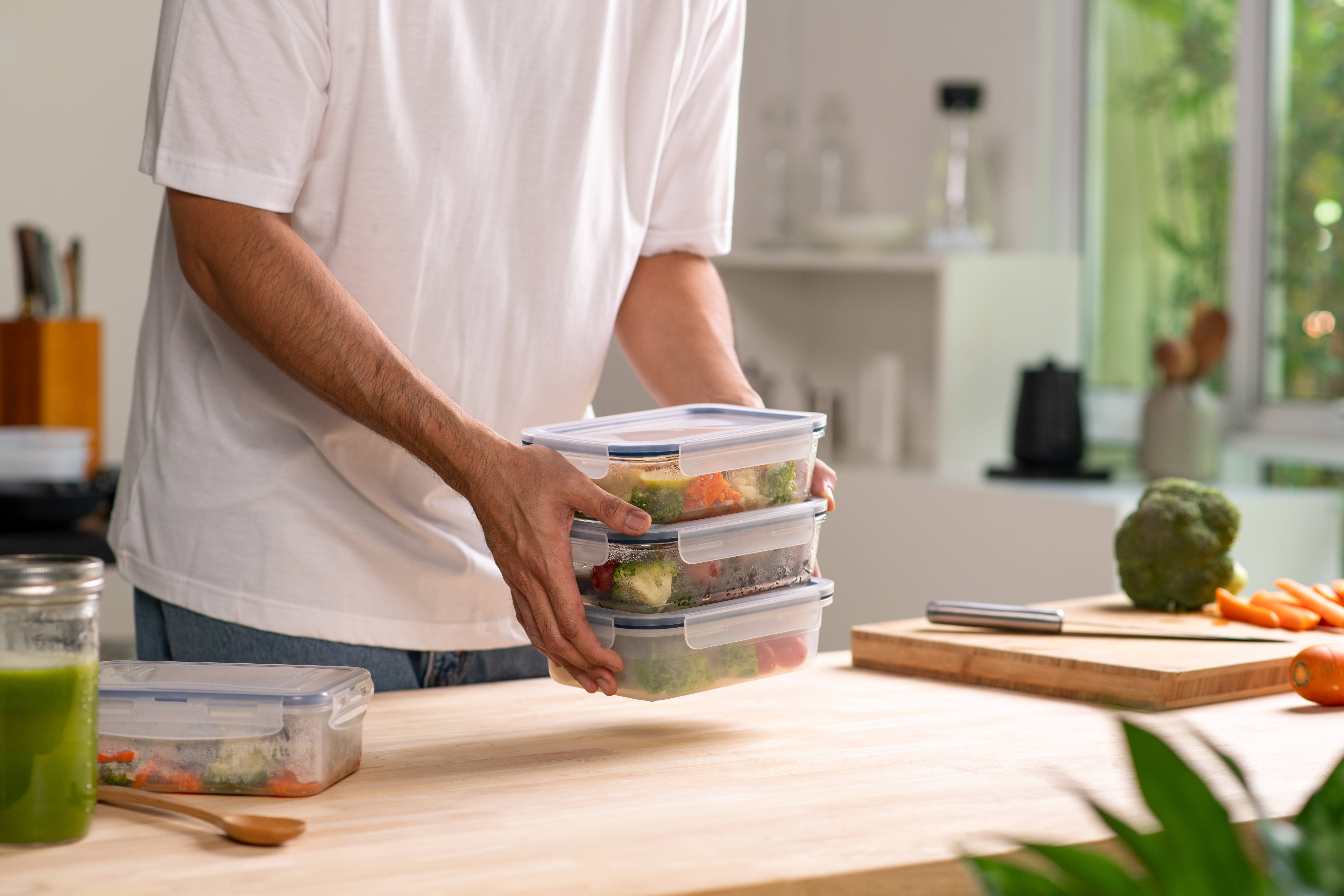
Freeze Food Before It Goes Off
Bread, herbs and fruits are all great to freeze now and save for later!
-
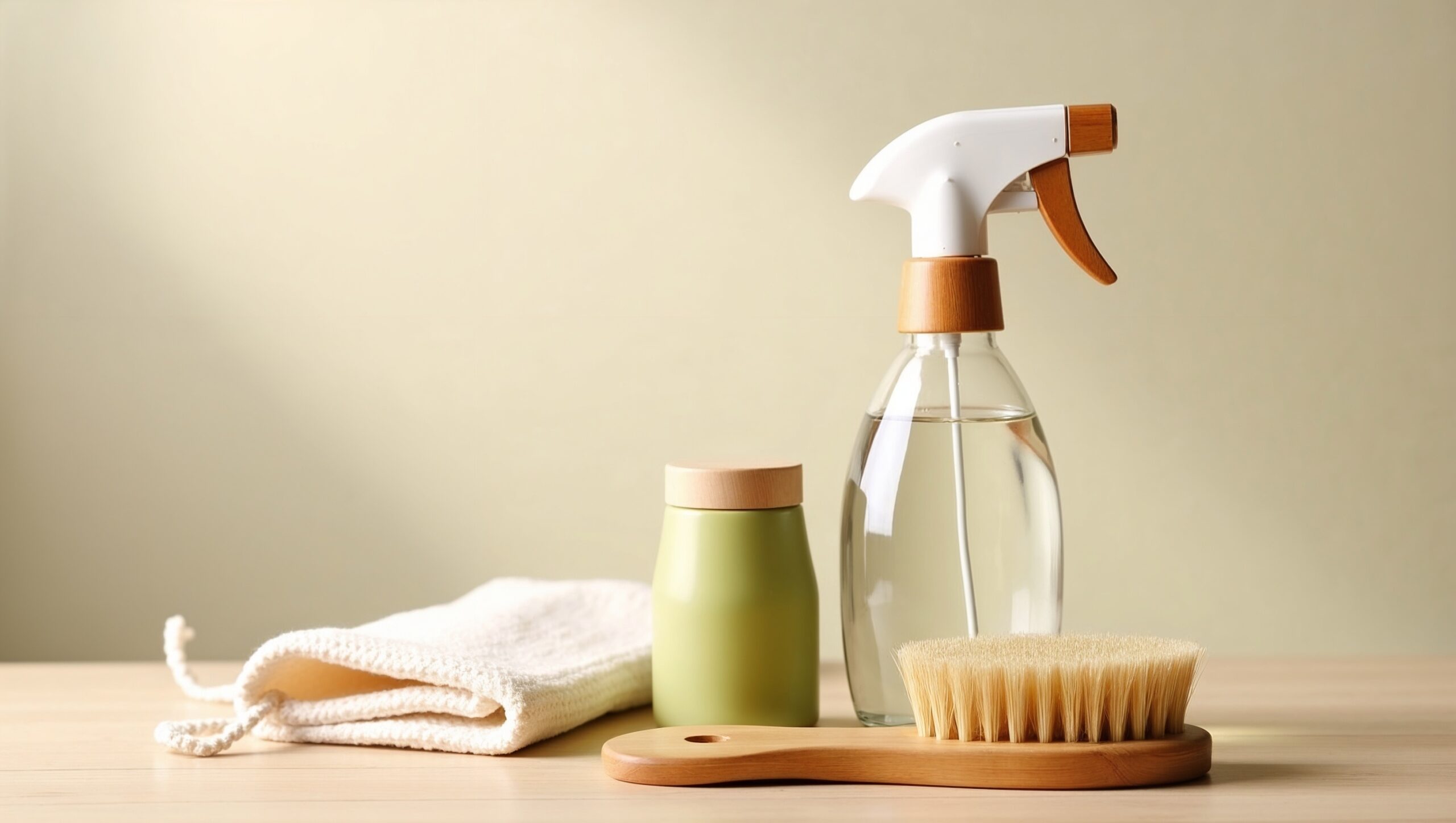
Make DIY Cleaning Spray
Water + white vinegar + citrus peels = plastic‑free and eco-friendly cleaner.
-
Repaint Something For The House
If you’re tempted to buy new furnishings, think of what you could repaint or even reupholster for the house. You can get a fresh look with items you already own!
-
Try a “Use What You Have” Beauty Day
Have a good dig in your drawers and cupboards and take stock of all your make up. Finish up the products you already own before buying more.
-
Borrow Instead of Buying
Need a drill? A ladder? A cake tin? These are the sort of things you don’t use daily and could probably just borrow. Try asking a neighbour or a friend if they can lend you theirs.
-
Choose One Single‑Use Item to Quit
Straws, clingfilm, cotton pads… pick one to ditch for good. Glass straws, beeswax wrap and washable cotton pads are a tiny swap that can make a big difference.
-
Hang Dry Your Laundry
When the weather is warmer, it can still be tempting to shove things in the dryer. But you can cut energy use and extend the life of your clothes by drying on a line outside.
-
Reuse Gift Bags, Wrapping Paper, and Ribbons
Using old gift wrapping again is a great way to save money when wrapping future gifts and saves it from landfill. Get creative by adding ribbons and nicely tied string you already have.
-
Compost Something
Even if you don’t have a bin, start with easy items like coffee grounds. Here’s our how-to guide.
-
Unsubscribe From Shopping Emails
Reducing your temptation to buy more can start in your email inbox. You’re also saving a tiny amount of electricity it’s taking to send that email to you!
-
Use Old Toothbrushes as Cleaning Brushes
These are super handy for grout or small corners.
-
Give Something a Second Life
Turn an old candle jar into a plant pot or use a mug as storage.
-
Declutter Responsibly
Pass on good‑quality items and recycle anything that can’t be reused responsibly at your local refuse centre. For guidance on what you can declutter, check out: Ecokart’s practical decluttering guidance or the Salvation Army’s Reuse & Recycle programme.
-
Switch to Digital Notes
Save paper by using your phone, laptop, or an app.
-
Opt for Second-Hand
Whether it’s clothing or homeware, check charity shops first. Here’s 5 of the best things to buy second hand.
-
Reflect on Your Month
What did you learn? Which habits will you keep?
Living low‑waste isn’t about perfection, it’s about making the most of what you already have. These small, manageable steps help reduce environmental impact, save money, and encourage mindful living. Even adopting just a few can make a meaningful difference.
Ready to take the next step?
Make sustainable choices every day and protect what matters while you do. Get a quote from Vavista Insurance today.
If you enjoyed reading this, check out How to Have a Zero-Waste Picnic! | Vavista Car Insurance
[1] UK statistics on waste – GOV.UK
Disclaimer: Articles are for general information only – customers should always seek their own independent advice. Vavista is not affiliated with the organisations/businesses mentioned and does not recommend or endorse any of the included products or services. For more information, click here.