A beginner’s guide to dark chocolate

Have you always passed over the dark chocolates in favour of their fairer siblings, milk and white, as you don’t like the bitter taste? Think again. Chocolatier, Nadia Williams talks us through this health-packed chocolate and shows us the guilt-free ways to enjoy it with a beginner’s guide to dark chocolate.

Did you know that there are numerous health benefits to chocolate when we take out the sugar and fat? So what does that leave us with when we want to get our chocolatey fix? First let’s get to grips with some ‘cocoa lingo’ and then let Edinburgh-based chocolatier, Nadia Williams of Thinking Chocolate, shares her tips for adding cocoa into your everyday diet whilst ditching the guilt. Plus she reveals her favourite bars of the dark stuff that will convert even the most hardened milk chocolate fan…

Cocoa Lingo

What are Cocoa nibs?

They’re the roasted kernels of the cocoa bean (available to buy online or at some health food shops). Cocoa nibs are a true superfood, with just two teaspoons providing your daily quota of antioxidants. And if you thought eating chocolate rotted your teeth, think again – chewing cocoa nibs slows down the production of plaque and freshen breath when chewed. See below for some ways to enjoy them.

Where does cocoa butter come from?

Cocoa butter comes from whole cocoa beans, which are fermented, roasted, and then separated from their hulls. About 54–58% of the residue is cocoa butter. It uniquely melts at around 34-38 degrees Celsius, the same as our body temperature, which gives chocolate its blissful texture when eaten! Cocoa butter is also completely cholesterol-free so look out for bars with high cocoa solids.

What’s the difference between raw cocoa powder and the normal stuff?

Raw cocoa powder specifically refers to raw, unsweetened powder that hasn’t been treated above 110 degrees Fahrenheit. There is some debate about the term ‘raw’ when it comes to cocoa, as cocoa is grown at the Equator and during the essential drying and fermentation process it naturally exceeds these temperatures. That said, it is as close to the natural state as possible which is how we want our cocoa as the less manipulated it is, the more polyphenols and healthy chemicals you will obtain from it.

To get cocoa powder from the cocoa bean, the nibs are first ground. The fat (cocoa butter) is then removed, and the remaining solids are ground up again into a fine dust to give you your cocoa powder. A lot of cheaper cocoa powders that you may find on the supermarket shelves have added milk powders and sugar. Always check the ingredients list.

Got it… now how can I add cocoa to my diet in a healthy way? Over to Nadia.

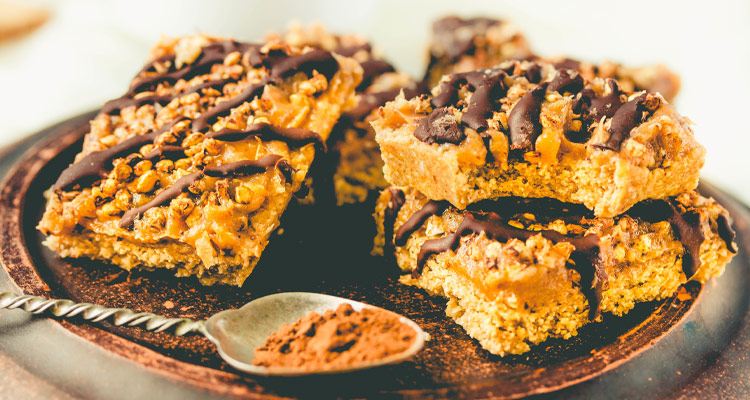
Granola bar cake with date caramel and chocolate

1. Try cocoa tea

Infuse a teaspoon of nibs in just boiled water. Steep for five minutes. Sweeten to taste with your preferred sugar or sweetener.

2. Get baking

Use nibs in biscuits/flapjacks as an alternative to processed chocolate chips.

3. Don’t forget your savouries!

Adding some dark chocolate to gravies and sauces can bring depth to the finished flavour. It’s particularly good with game, but just as tasty in cottage pie, moussaka and Bolognese.

4. Cocoa for breakfast!

Sprinkle nibs onto porridge/granola for a morning hit of antioxidants.

5. Try a dairy-free cup of cocoa

Make a paste with cocoa powder and hot water and then top up with your preferred soya/nut milk.

6. A quick dip

Blend cocoa with silken tofu or crème fraiche and enjoy with strawberries, banana and oatcakes.

7. Ease your way

If you’re a hardened milk chocolate fan, ease yourself into the darker varieties by blending half and half with milk chocolate in your recipes to re-educate your sweet tooth.

Cocoa connoisseur

If you’ve already got the dark chocolate bug, try refining your tastes to a particular region or origin and find your ultimate chocolate bar!

  1. Beans are largely grown in bulk so seek out the rarer varieties such as Trinitario and Criollo, which have much more flavour.
  2. It takes approximately 1000 beans to make a kilo of fine (cocoa butter only) chocolate versus between 150 to 200 at the commercial (added vegetable fats) end of the market.
  3. Single-origin chocolate has bags of character and like good wine varies from country to country. Try Madagascan (nutty), Vietnamese (fruity), Javan (smooth) and Ecuadorian/Venezuelan for wonderfully complex flavours with a typically long finish.

Nadia recommends…

  1. MAROU – single region chocolates from Vietnam.
  2. VALRHONA – a great brand for cooking with, with really intense flavours.
  3. MICHAEL CLUIZEL – their tasting boxes are a great way to sample your way around the globe.
  4. SINGLE ORIGIN BARS – most supermarkets stock a range of single-origin chocolates. Stand outs are Tesco Peruvian and Sainsburys Sao Thome.

Wake up to drowsy-driving

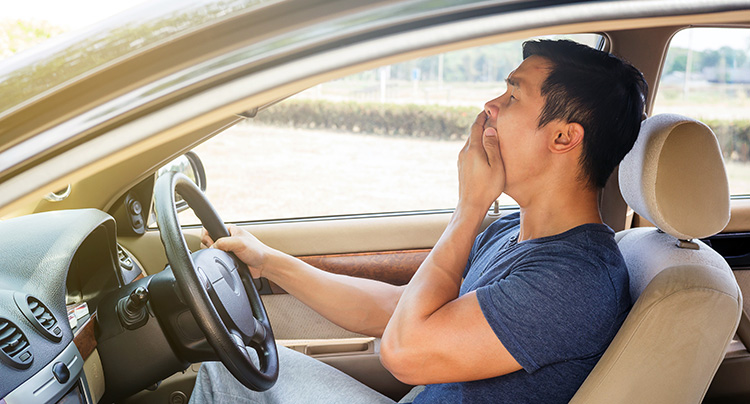
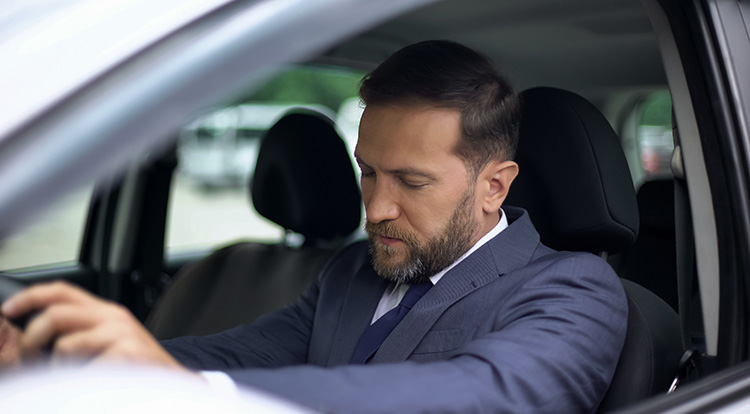
We all know about the risks of drink-driving. We frown upon it and know that it slows our reaction time, increasing our risk of accidents. But, few of us would give drowsy-driving the same attention. And yet it can be as dangerous, if not more so, than drink-driving.

Drowsy-driving is driving when tired or sleepy. Given that we are getting fewer hours sleep than we used to, the perils of drowsy-driving are getting more and more important to know.

 How does lack of sleep affect our driving?

Driving when tired impairs our driving performance from slower reaction times, reduced attention and poor control of our vehicle. Studies have shown that a person who drives after being awake for 19 hours (perhaps just driving home in the early hours of the morning after a sober night out) has driving skills similar to a driver who’s above the legal limit of alcohol. And a driver who has gone without sleep for 24 hours may as well be driving drunk. Lack of sleep and alcohol on board is a particularly deadly combination – in fat, you don’t just add the risks together – you multiply them.

What are the risks?

Your risk of a crash is 3 times greater if you have had less than 5 hours of sleep compared to a normal 7-8 hours. But if you have 4 hours or less of shut-eye, you dramatically increase your risk to over 11 times that of someone who is well-rested.

Falling asleep at the wheel is a pretty dramatic event and one that, hopefully, you have never experienced. Instead, you may think that you manage to stay awake, even when you are tired. But studies show that when we are sleep-deprived we have ‘micro-sleeps’ that we are unaware of. We don’t just lose concentration – we are literally asleep for a split second. It may seem trivial, but that split second of sleep can be enough to send us veering into the path of an on-coming lorry.

Can we reduce the risk?

Yes, get enough sleep in the first place! The easiest way to reduce your risk from drowsy-driving is to avoid being drowsy in the first place! Work hard on getting your 7-8 hours a night. If you need tips on improving your sleep then look at this article. Link to sleep tips article

Treat any conditions that may be affecting your sleep. Obesity can impair your sleep, especially if you think you may also have sleep apnoea – a condition where you snore badly at night and often fall asleep during the day. Drivers with sleep apnoea are at a significantly greater risk of involvement in motor vehicle accidents, potentially two to three times higher than other drivers. If you suspect sleep apnoea (which is often, but not always, associated with being overweight) then see your doctor and get it treated. Losing weight, if you need to, will help as well. I think we have a sleep apnoea article we can link to?

Don’t drive when drowsy. It’s not always possible to get a full night’s sleep. But, knowing the risks, do you really need to drive if you are exhausted? Treat drowsy-driving in the same way as you would drink-driving and just avoid doing it. Get a friend to take the wheel, get a taxi or take public transport.

Be aware of danger periods. Research shows that there are two daily peaks when accidents due to fatigue are most common….which seem to coincide with times when our natural body clock has us feeling most tired. The first is no surprise – it’s the wee small hours of the morning, commonly 2-6am. Not only is it dark and our body feels we should be tucked up in bed, but it may be the time when some of us are getting up for an early work shift or, conversely, heading home after a very late night. The second peak we could probably identify too if we thought about it….it’s that afternoon energy slump between 2.00pm and 4.00pm that often follows a large, carb-laden lunch. Keep to a lighter lunch to help reduce that particular risk. Particularly if you are tired anyway, think hard about whether you really need to drive during these danger periods.

What about caffeine? Caffeine is a double-edged sword. Caffeine after lunch can affect our sleep patterns, making drowsy-driving a problem the next day. But some studies have shown that it can help drivers to stay more alert and have faster reaction times. The same holds true of energy drinks containing caffeine and other stimulants – but these effects are quite small and caffeine, and energy drinks in general, should not be relied on.

Get out and about…or take a nap. Have you even started to nod off at the wheel only to be jolted awake by a rumble strip? A study found that the alerting effects of a rumble strip only lasted for up to five minutes before sleepiness returned so don’t rely on them to keep you going. This degree of tiredness in the car should be taken very seriously. If you can pull off somewhere safe and take a quick nap, then do. Otherwise a walk around in the fresh air may give you a little more time to get to your destination safely.

It’s hard to measure how many fatal accidents occur as a result of drowsy-driving because the police can’t check for that at the roadside, yet. But, don’t let your drowsiness be the cause of injury to you, a loved one or a total stranger. Treat it like drink-driving and steer well clear!


How to stay fit when you’re busy

We all know that staying active is an essential way to keep our bodies healthy. However, trying to fit exercise into your already busy day can often seem impossible. Between juggling work, family-life and socialising with friends, there’s not always much time left over to focus on staying active.

Instead of  shrugging exercise off as something you just don’t have time for, learn how you can keep your fitness in check with our five simple tips of  how to stay fit when you’re busy.

Make exercise a priority

The problem with exercise is that we don’t always see it as an essential part of our day. In the same way that we see things like picking up kids up from school, or getting to work on time. By seeing exercise as something that isn’t essential to our day, it becomes pretty easy to find an excuse to ditch it.

Exercise is important. Instead of seeing it as an optional extra, we should see it as something vital to keeping us healthy. That way, we won’t drop it at the first opportunity; instead, we’ll do our best to find the time, the energy, and the ways to fit it in.

Find a workout that works for you

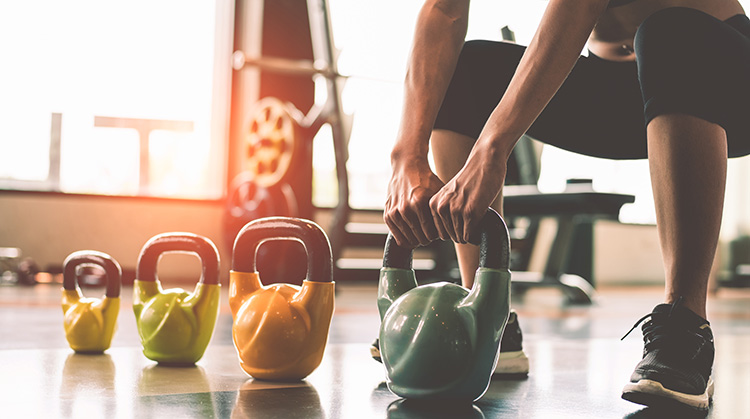
Take a look at your lifestyle, likes and dislikes and find a workout that is going to work best for you. something that you’ll be able to find the time for, and that you’ll actually enjoy doing! If you don’t have much time to head to a gym, then find a workout form that you can do at home, or even at work on your lunch break!

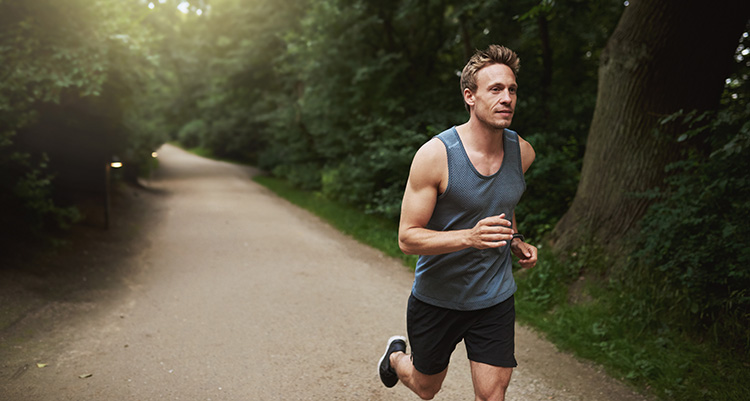
If you tend to get bored quickly, then high-intensity interval training is great for providing maximum impact in minimal time. Find more enjoyment in working out outdoors? Focus on activities like running, hiking, or other outdoor activities. There are so many options available – you just need to find something you enjoy, and working out will end up being something you look forward to!

Be prepared

When you’ve got a busy lifestyle, every minute counts, and it’s easy to find an excuse not to do that exercise. Make sure that you’re fully prepared and then you’re less likely to let those good intentions slip. It could be as simple as keeping your workout clothes at the bottom of your bed, ready to chuck on for a morning workout. A pair of trainers in your car boot means you are ready for a quick walk if the opportunity arises.

Something is better than nothing

Just a ten minute workout is better than nothing. Last minute plans leaving you with no time to head to your usual gym class? Remember, you don’t need an hour, or even half an hour to get a bit of exercise into your day.

No matter how busy you are, we can always find a few spare minutes to get our heart rate up and blood pumping. Just choosing a few flights of stairs rather than the lift is a step (or many steps!) in the right direction! So squeeze in whatever time you can find and it’ll make all the difference when it comes to your health.

Make it a part of your day

Busy with meetings at work? Use it as an excuse to get some fitness into your day. Get your colleagues together and brainstorm on the go with a brisk walk. Are you a commuter? Ditch the car and cycle to work, or park a little further away and walk in. Meeting up with friends? Combine your socialising with some exercise and head out for an afternoon hike, or to a gym class together.

Making exercise a part of your day means you don’t need to ‘make time’ for it – and it’s more likely to become a long-term, habit that will help you to keep your body as healthy as it can be.

Do you need car insurance? Get a quote with Vavista today.

Disclaimer: Articles are for general information only – customers should always seek their own independent advice. Vavista is not affiliated with the organisations/businesses mentioned and does not recommend or endorse any of the included products or services. For more information, click here.

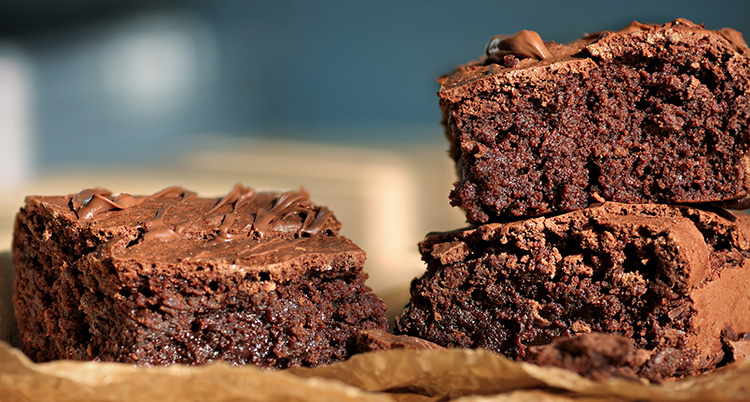
Low-Sugar Chocolate, Honey & Cherry Brownies

These melt in the mouth low sugar brownies will disappear as soon as you’ve put them out on the cooling rack. Try serving them with some sliced fresh fruit in the summer or warmed, with a little whipped cream on the side, in winter.

This recipe makes 20 square brownies that contain just 3g added sugar each.

Ingredients
  • 250g plain flour
  • 200g butter
  • 3 eggs
  • 60g honey (4 tablespoons)
  • 100g cocoa powder
  • 100g chopped and stoned fresh cherries
  •  One tsp baking powder
Method
  • Pre-heat the oven to 180°C/350F/Gas mark 4
  • Line your 30cm x 20cm baking tray with grease-proof paper
  • Place the butter, cocoa powder and honey in a medium-sized bowl over a pan of simmering water and stir gently until melted
  • Beat the eggs in a separate bowl
  • Sieve the flour and baking powder in yet another bowl
  • Remove the chocolate from the heat and quickly whizz in your eggs
  • Slowly fold all of the dry ingredients into the mixture
  • Add the chopped cherries
  • Spoon the mixture into the baking tray and place into the centre of your pre-heated oven for 20 minutes (approx)
  • The top of the brownies need to be firm to touch; but enter a skewer into middle and it should come out slightly sticky
  • Leave to cool for a few minutes, cut into 20 squares and place on a rack.
  • Serve whilst still warm or eat at your leisure once cool.
 

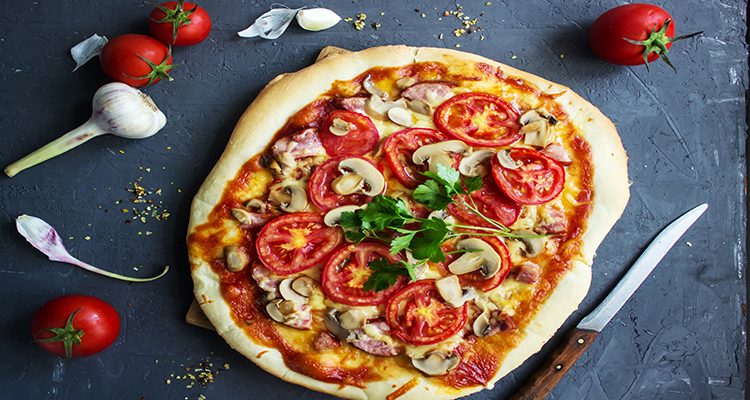
Healthy and tasty homemade pizza

Pizza doesn’t have to be an unhealthy choice! Learn how to make your own healthy and nutritious pizza at home – saving money on expensive takeaway pizzas and getting extra nutrients along the way!

You can put whatever you like on your pizza so pile it high with veg, some light cheeses, or even some chilli powder if you want a bit of a kick! Read on to learn how to make it yourself.

You can buy good quality, ready-made bases, or use halved, large, crusty rolls or pitta bread. But it’s fun to make your own if you have time!

You will need:

200 g strong white bread flour

200 g wholemeal flour

1 x 7 g sachet dried yeast

Mix the flours and yeast with a pinch of salt in a food processor fitted with a dough blade

Pour in the water and mix to a soft dough, then knead for 1 min. You can do it all by hand – it’s good exercise – but you will need to knead for longer. Look on YouTube if you need to see how to knead dough. When fully mixed, stretchy and soft, divide the dough into four balls and put on a flour dusted baking tray. Smear with a bit of olive oil then cover with clingfilm and leave in a warm place for an hour or so until doubled in size. (You can make your sauce and prepare your toppings whilst you wait).

Then spread out the dough balls on flour dusted baking tray until thin with a slight rim to hold the sauce. Drizzle with a little olive oil.

And, if you want something less filling, are gluten intolerant or are trying to cut back on heavy carbs, you can even experiment with alternative pizza bases – cauliflower  makes a surprisingly good one.

Tomato sauce:
You can buy this pre-prepared too but it will probably be full of sugar and preservatives. Yuck! Making your own takes 5 minutes and it’s really easy.

Simply chop up an onion into small pieces and fry gently in some olive oil with a few cloves of finely chopped or crushed garlic. After a few minutes, throw in a tin of chopped tomatoes (or use fresh) and simmer for 20 minutes. You can add a bit of water or stock if you need to, to get it to the right consistency for spreading on your pizza. You can throw in some chopped herbs for added flavour – basil, oregano or thyme work well. Or even some chilli powder or a small amount of chopped fresh chilli or chilli flakes if you like it spicy!

Once it’s cooked and cool, you can whizz it in a blender or leave chunky.

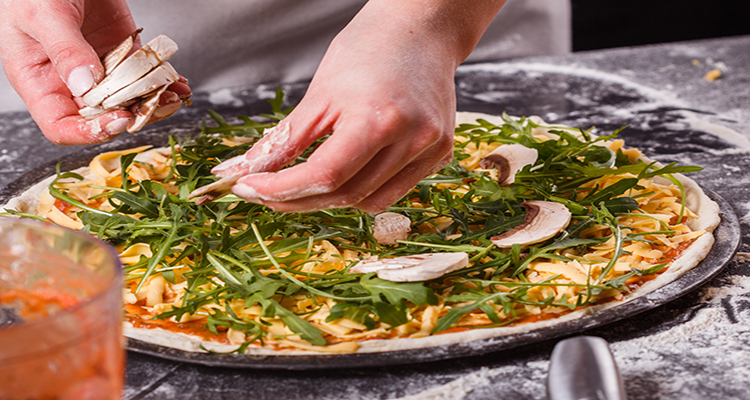
Now build your pizza:
This is where your creative skills can overflow! It’s your pizza – top it how you like.

Spread some of the delicious sauce on to your base and then…

Choose from….

Meats and fish– like leftover cooked chicken or other roast meats. Processed meats like bacon, salami etc are less good for us so choose small quantities of good quality meats to act as a flavouring rather than the main attraction. Tinned tuna is good too – especially when paired with olives and feta cheese. Or smoked salmon is delicious – swap the tomato sauce for creme fraiche, spread on a cooked pizza base and top with rocket.

Veg – like sliced mushrooms, peppers, sweetcorn, fresh tomatoes, red onion, roasted squash or anything you can think of.

Other toppings – like pineapple chunks, herbs, hummus, olives.

Cheese – soft pieces of mozzarella or goats cheese, feta or grated cheddar.
Cook and serve:
Now cook in a hot oven 220ºC/425ºF/gas 7, ideally by sliding the pizza on to a pre-heated baking tray to get that extra heat that makes a good crispy pizza.

After around 10 minutes, when the cheese is melted and bubbling, your pizza is ready to serve.

You can dollop with a bit of Greek yoghurt, a few more fresh herbs or salad leaves and some olive oil if you like.

Tuck in and enjoy!

See Bike, Say Bike

Pulling out at a junction without seeing an oncoming motorbike is a thought that fills drivers with fear. When you are stressed and perhaps not paying as much attention as you should, or the rain is lashing down and visibility is poor, the smaller profile of a motorbike is easier to miss than a car or van. It’s not surprising, therefore than over 90 fatalities a year occur in the UK from incidents like these.

You may remember the SMIDSY campaign – “sorry mate, I didn’t see you” that encourages us to look more carefully for bikers.
But what if it isn’t a failure to see the bike but a failure to REMEMBER that you have seen the bike?! It’s difficult to imagine but a small study from psychologists at the University of Nottingham has suggested just that. Using a driving simulator they found that around 15% of these accidents seem to be a result of seeing the bike but immediately forgetting, perhaps due to other stimuli over-writing the memory before it has been fully registered. In an attempt to fix that memory they suggest saying it out loud whenever you see a bike (or other vehicle) approaching – ‘see bike, say bike’.

It’s not a new idea – advanced driving training encourages active observation with spoken details on potential hazards to increase awareness and reduce risk on the roads. Looking around and saying what you see increases your observation skills and keeps your mind firmly on the job in hand rather than thinking about what you are going to cook for dinner or worrying about that dressing-down from the boss.
It’s a trick we could all employ to keep our mind sharp and our short-term memory in full working order. And perhaps we could then see fewer awful accidents on the roads.

Ref
Chloe J. Robbins, Harriet A. Allen, Karl A. Miller, Peter Chapman. The ‘Saw but Forgot’ error: A role for short-term memory failures in understanding junction crashes? PLOS ONE, 2019

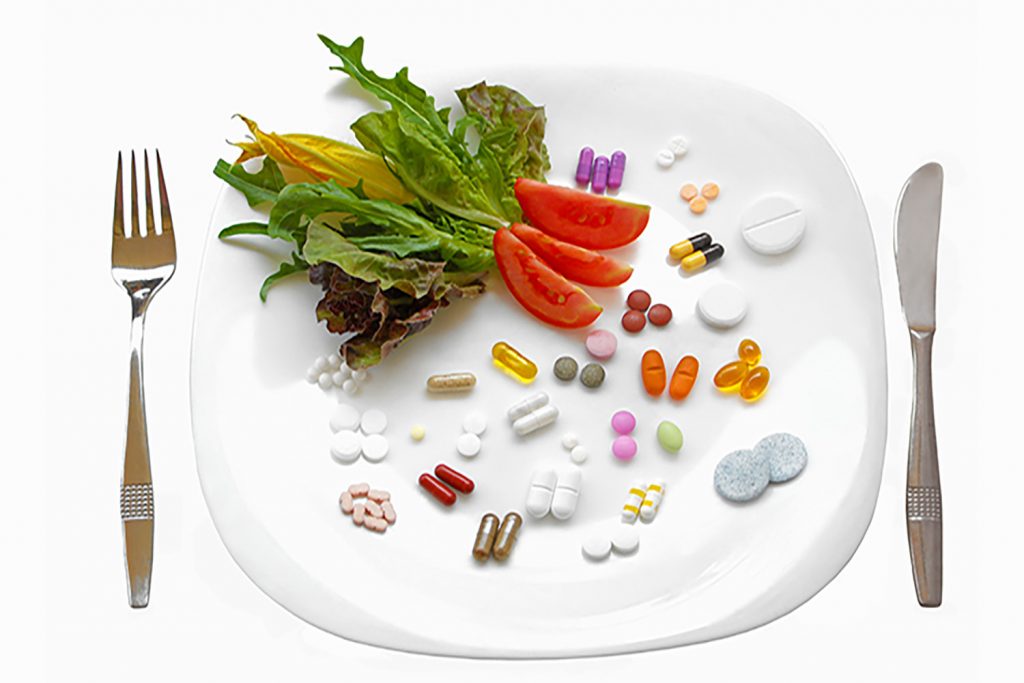
The truth about diet pills

Speak to almost any medical professional and they will tell you that taking diet pills simply isn’t an option they would recommend for safe, effective weight loss. But why are diet pills so bad for you? Well, where do I start?!

First and foremost there is no evidence that diet drugs really work.

Think about it for a minute. The current obesity crisis is threatening to cripple the NHS due to the costs of treating obesity-related disease. If there was a drug that effectively and safely helped people lose weight, do you think the NHS would be keeping it a secret?! Or don’t you think GPs would be offering it to every one of the 60% or so of us who are currently overweight, or at least the 25% who are obese? Don’t you think the drug companies would be covering every billboard and magazine page with adverts for the ‘cure’ … they would stand to make a fortune. A diet-pill that really, really works is the ‘holy grail’ of medicine that everyone is searching for – and as yet, nobody has found!

There are a couple of drugs that are approved by the NHS. Orlistat (also known as xenical), works by stopping you absorb fat from your intestine….therefore you end up taking in fewer calories. What’s the downside? If you eat fatty food and don’t absorb it properly you get unpleasant wind and diarrhoea (and occasionally incontinence!)… with the net result that many of my patients will simply not take the drug if they fancy a fatty meal. So, instead of needing willpower not to over-indulge, you simply need the willpower to make yourself take the drug that will put you off over-indulging. Hmmm… not a great premise for a successful treatment. As a result, weight loss with this drug is modest and is often regained once the drug is stopped. Add to that the fact that healthy fats (and the vitamins we absorb with them) are good for us in moderation and you will see why I don’t prescribe it.

Liraglutide (Saxenda) is an injection that can reduce appetite and may be prescribed for weight control in patients with obesity, or overweight with related health problems such as diabetes. However, it can cause gut problems in over a third of people and weight is often regained when injections are stopped.

Another drug, Mysimba, which is a combination of naltrexone and bupropion and may suppress appetite, has not been approved due to lack of information on long-term effects.….but let’s face facts. Most of us who are overweight don’t just overeat because we are hungry! It’s the other reasons – habits, emotions, an unstoppable urge for chocolate or chips – that lead to the pounds creeping on. Reducing our appetite probably won’t change that much at all!

To help you lose weight, drugs pretty much have to do one of these three things:
  • Alter the way your brain functions so you eat less
  • Alter the way your intestines function so you absorb less
  • Increase your metabolism so you burn more

The problem is that drugs are not selective enough to target the specific areas that are purely responsible for weight gain… and we don’t really understand what they are anyway! So, it’s no surprise that drugs that help us to lose weight often interfere with other functions of the body – possibly in unwelcome ways. So drugs that ‘boost the metabolism’ by raising your pulse rate can put you at risk of heart problems, palpitations, headaches, and high blood pressure. Drugs that act by reducing depression or trying to reduce appetite may cause mood swings, sleep disturbance or increase the chance of serious problems like strokes. And drugs that make you absorb less …well I won’t repeat their antisocial side effects!

At least you know what you are getting if you have a prescribed drug, as the possible side-effects and risks are listed ad infinitum. But buying diet-pills over the internet means you have no idea what they really contain and whether they could interact with drugs you may already be taking, or make an existing health problem worse. And don’t be fooled by the term ‘herbal’ – not all herbs are safe. People have even died taking weight loss pills containing DNP – a toxic chemical declared unfit for human consumption by the Food Standards Agency. Ingesting this poison can lead to nausea, vomiting, restlessness, flushed skin, sweating, dizziness, headaches, rapid respiration, and irregular heart-beat, possibly leading to coma and death. Despite this, it appears that these drugs are being made in clandestine laboratories before being marketed to vulnerable people, desperate for that miracle solution to their (sometimes imaginary) weight problem.

So, don’t play with your health. Yes, being overweight may be a risk – but don’t swap that risk for a diet-pill that may be a lot worse for you and probably doesn’t work anyway! And, as soon as that miracle diet-pill – one that honestly leads to safe and significant weight-loss – becomes available, you will be the first to know!!


Why am I not losing weight?

Most of us will admit to being on a diet at some point in our lives, so why are so many of us still overweight? There are a number of reasons your weight-loss attempts may not be working. Read on to find out more…

Nobody said it would be easy, but for the vast majority of us, losing weight is a real uphill battle. Most of us will admit to having been on a diet at some point, and for some people, it’s a more of a continual yo-yo of dieting… so why, despite our efforts, do our nation’s waistlines keep expanding? We all know men and women who’ve been on diets constantly throughout their lives and are baffled as to why they’ve not lost any weight.

What exactly are we doing wrong?

While there’s no ‘one-size-fits-all’ answer, there are a number of reasons why your weight loss attempts may not be working…..

You need more sleep

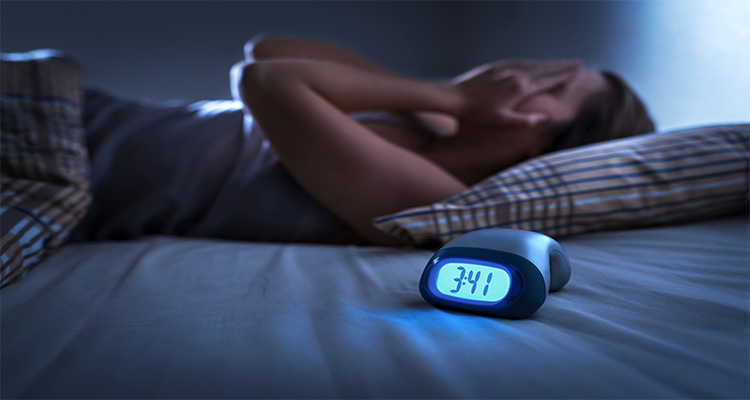
Sleep can have a bigger effect on your weight than you might think. Research has shown a direct link between the number of hours sleep you get and your weight. Put simply, these studies suggest that when we have a bad night’s sleep it decreases the body’s hormone that regulates appetite – leaving our hunger levels at an all-time high. And if that’s not bad enough, the studies show that we specifically reach for high-calorie/high-fat foods, in an attempt to boost our energy levels that have dwindled due to poor sleep. So make getting a good night’s sleep a priority and your weight loss could be boosted as a result.

getting a good night’s sleep a priority and your weight loss

You’re not getting any younger

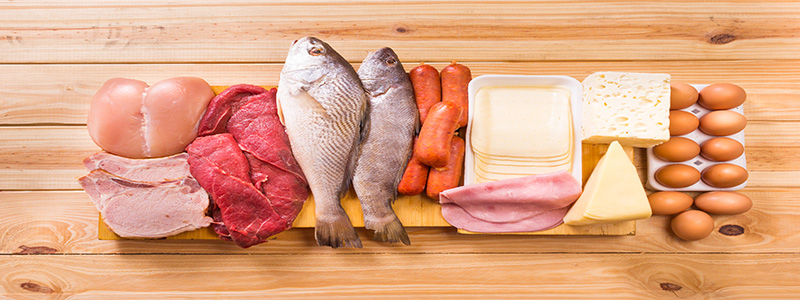
Sorry! We naturally lose muscle mass as we get older –, especially women. Combine this with our naturally slowing metabolisms, and it makes it much harder for us to lose weight. So what can we do about this? Too many of us simply don’t realise how much increasing our protein intake and amount of exercise that we do could help us to drop the pounds… we think of protein as something that will bulk us up. In fact, research shows that increasing our protein and exercise levels can help us to tone our muscles, leading to a more svelte frame and easier weight control.

You want quick-fix results

Most of us will have been there at some point… we want results fast, so we try a quick fix diet in the hopes to lose weight as quickly as possible, but only end up failing at the diet and putting on all (if not more) of the weight we lost while on the diet. Sound familiar? It’s a vicious cycle and only leads to you feeling depressed and disappointed every time you fail. But it’s not your fault. Quick fix diets simply don’t work. Real, long-lasting weight loss doesn’t happen overnight… instead, it takes time, hard work and a change in your habits and mentality. So, remember, it’s a marathon, not a sprint.

You’re stressed

We all admit to reaching for fatty and sugary foods when we are under stress, simply because they trigger those pleasure zones in the brain and make us feel better. What’s more, cortisol (one of our “stress hormones”) encourages weight gain around our waist which is very bad for our health. And yet, we seem to be under more and more stress – struggling to meet deadlines, juggling roles such as spouse, parent and business exec, and working longer and longer hours. Try to manage your stress and regain control – you will be less likely to binge on junk foods that will only leave you feeling worse in the long-run!

You’re not addressing the real issue

Putting yourself on a quick fix diet may work in the short-term, but if you’re not addressing the real reasons you overeat, or eat the wrong foods, then those issues will only end up resurfacing in the long-term, and you could end up putting back on the weight you’ve lost – and even more! So instead of thinking about WHAT you eat, think about WHEN, WHERE and WHY. Do you tend to eat well at home, then tuck in at the vending machine at work? Or perhaps you have a habit of reaching for a mid-afternoon sugary treat to give you an energy boost, or comfort eat when you’re stressed? Figuring out where your problem lies means you can start working on that issue to create a long-term change in your eating habits.

Try tackling these few simple things to help you achieve lasting, healthy, manageable weight-loss.


Disclaimer: Articles are for general information only – customers should always seek their own independent advice. Vavista is not affiliated with the organisations/businesses mentioned and does not recommend or endorse any of the included products or services. For more information, click here.

What to check when buying a used car

You’ve decided your budget and found the car for you. Buying a used car will save you more money upfront, but can lead to expensive repair bills. Follow our quick checklist to make sure your new purchase is a worthwhile investment.

Vehicle History

There are many free vehicle history checks online, or you can pay for an extensive search. You’re looking for whether the car has ever been stolen, written off, or has any outstanding finance.

View the vehicle

Don’t buy without seeing. Check everything from the tyres to the air-con fans, and even the gadgets. Be sure to test that all doors and the boot lock correctly.

Ask questions

Ask the seller for the car’s MOT certificates and service history. Vehicle history checks are available if you’re unsure about the vehicle.

Test Drive

Try to test drive the car for around 30 minutes. Test the steering and brakes by driving at different speeds. Use your senses to identify any unusual sounds, sights or smells!

Insurance

Get some quotes to find out how much your new car insurance is going to cost. Before your test drive, check your car insurance policy offers DOC (Driving Other Cars) cover. Vavista is committed to bringing you car insurance that is both affordable and reliable. Car insurance is a necessity, but the right policy could save you money. Get a quote from us today!

Disclaimer: Articles are for general information only – customers should always seek their own independent advice. Vavista is not affiliated with the organisations/businesses mentioned and does not recommend or endorse any of the included products or services. For more information, click here.